 Circadia
Education Spaces Reimagined: Modern Learning Environment Furniture
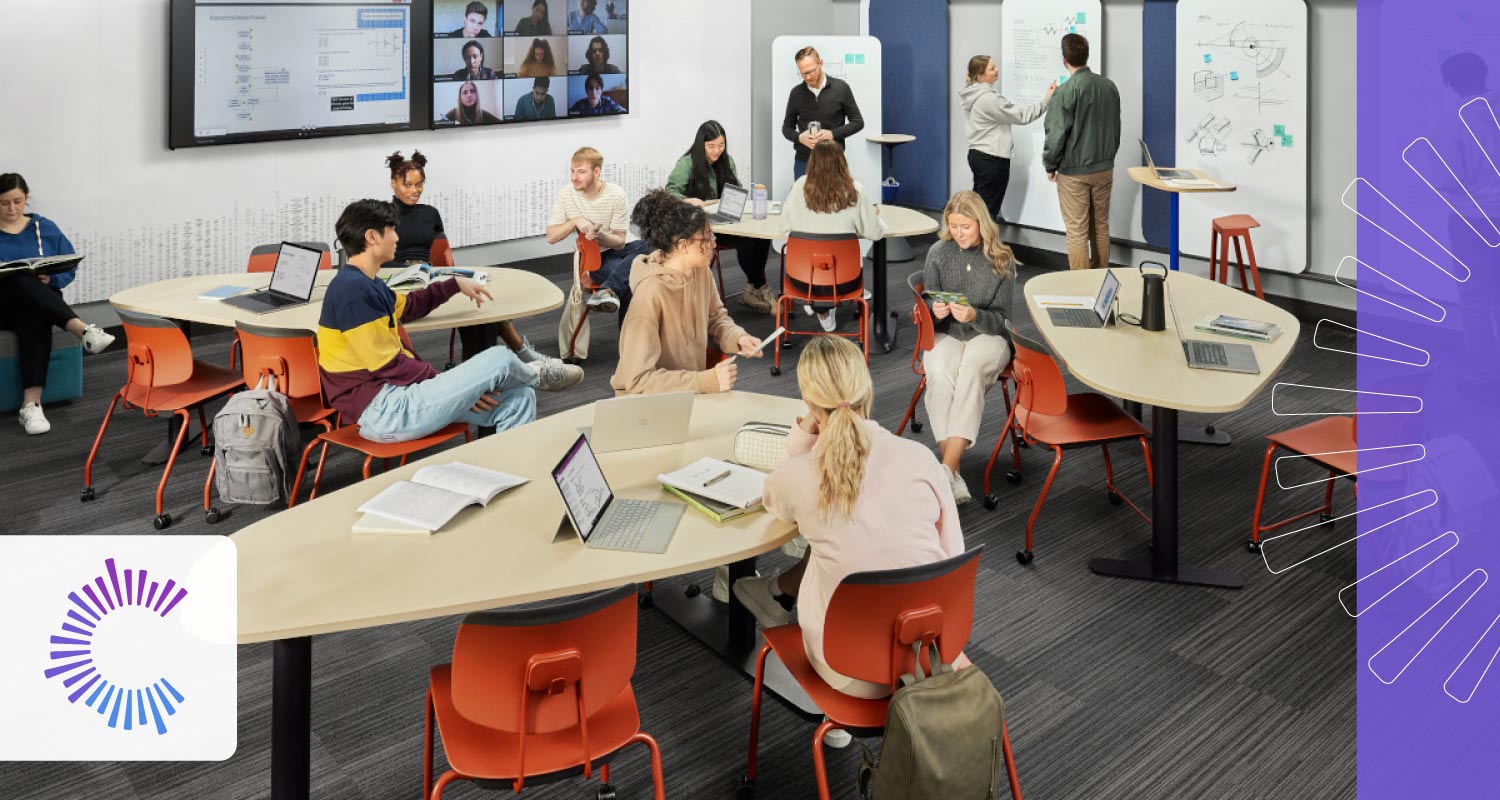
Discover how modern classroom design transforms education spaces into environments for learning success.
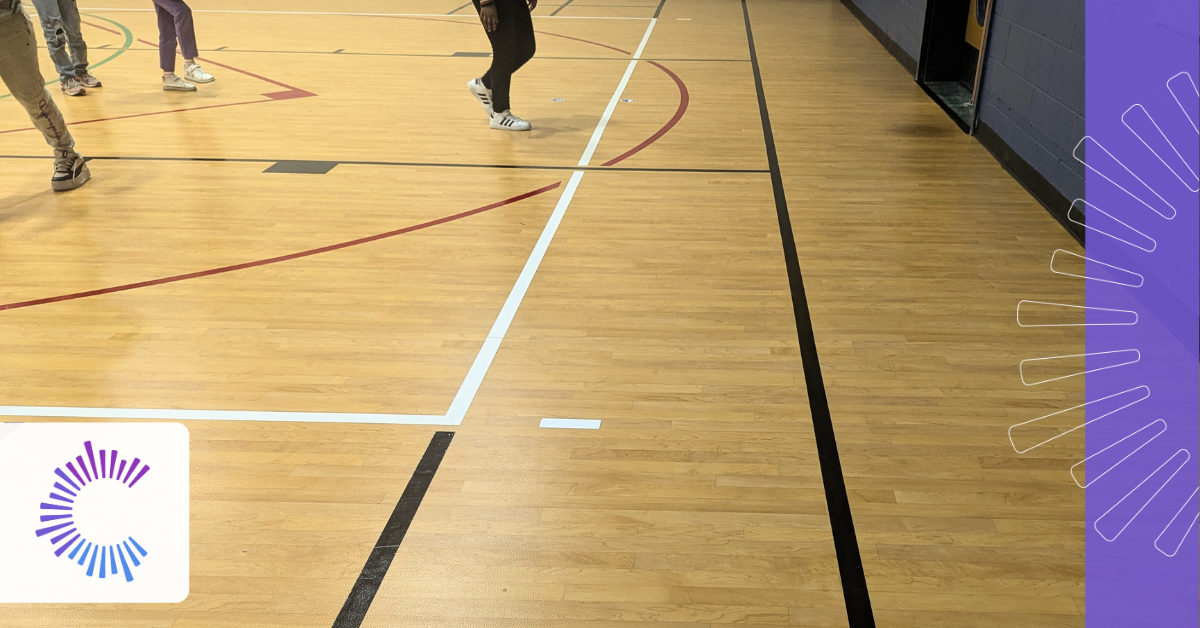
When people think about sports flooring, they often picture a traditional gymnasium with a glossy wood court and painted lines. But today’s education and recreational environments demand much more in terms of flexibility, safety and performance. Modern sports flooring has evolved into a strategic design solution that supports movement, well-being and long-term durability.
At Circadia, sports flooring is approached with a human-centered mindset, one that prioritizes practical use of the space. By combining consultative expertise with high-performance products from partners like Tarkett Sports, Circadia helps academic leaders and administrators rethink what education flooring can be and where it belongs.
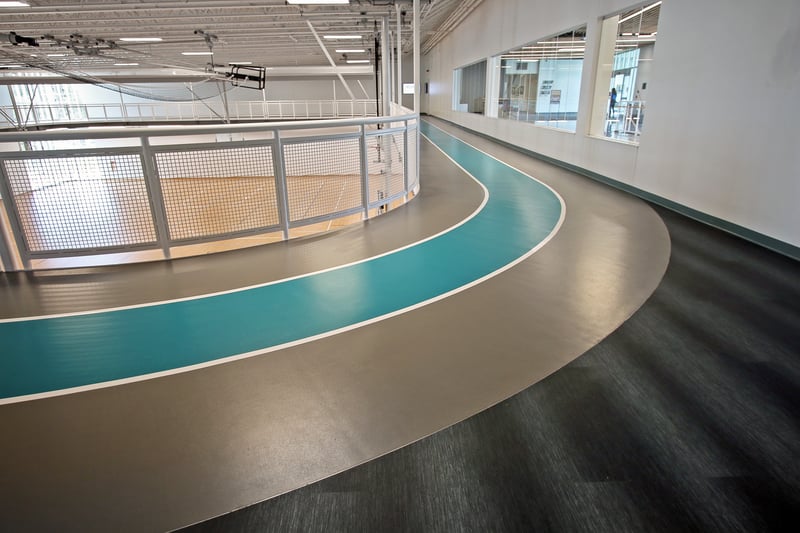
Every successful flooring project begins with understanding how a space will be used. According to Maggie Loveall, sports flooring specialist and account executive at Circadia, discovery is the best way to start.
“The first question we ask is what is the main function for the space?” Loveall explains. “Do they plan to mainly use it for physical activities such as basketball or volleyball? Or is it intended for not only sports but for entertainment and events like graduations or trade show events?”
This function-first approach helps Circadia recommend sports flooring systems that support both athletic performance and multipurpose demands. In education flooring, this flexibility is critical. Schools and community centers often rely on a single space to host physical education classes, assemblies, performances, and community events. Flooring must perform consistently in use without compromising safety or comfort.
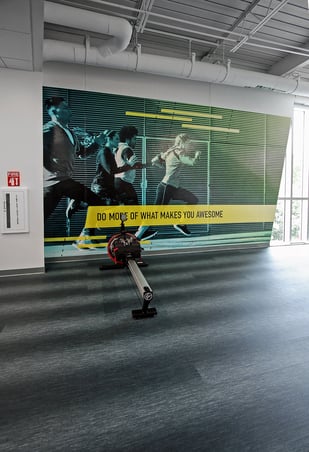
One of the most common misconceptions about sports flooring is that it only belongs in gyms or athletic centers. In reality, any environment where movement is present can benefit from athletic-grade surfaces.
“Any space that is susceptible to falls can be suitable for an athletic floor,” Loveall says. “Athletic flooring is designed to help prevent slips and falls along with absorbing impact if it were to occur. This makes these products great for healthcare environments, childcare facilities, as well as traditional sport focused centers.”
This expanded view of education flooring opens the door to unexpected applications. Early childhood centers, therapy rooms, wellness spaces, and heavily trafficked corridors can benefit from sports flooring systems designed to protect users and promote injury-free mobility.
Not all flooring is created equal, especially in active environments. Sports flooring is engineered to respond to movement in ways that general commercial flooring does not.
Emma Bohn, regional sales manager at Tarkett Sports, emphasizes that distinction clearly. “Sports flooring is specifically engineered for movement, impact, and athletic performance — whereas general commercial flooring is designed primarily for foot traffic and aesthetics,” Bohn explains. “In active spaces, flooring isn’t just a finish — it’s a piece of athletic equipment.”
Key performance factors such as shock absorption, vertical deformation, energy return, and controlled slip resistance play a major role in protecting users and enhancing performance. Loveall highlights similar priorities when evaluating multipurpose spaces, noting that “shock absorption, coefficients of friction, rebound, and cleanability” are essential considerations.
Together, these factors ensure that education flooring supports both safety and usability, even under heavy daily use.
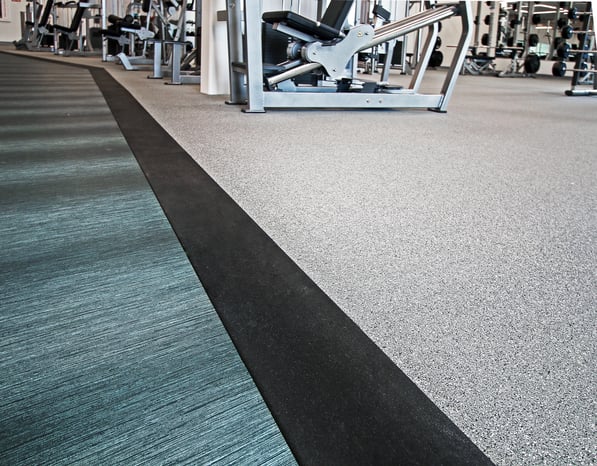 Safety as a Design Responsibility
Safety is one of the most compelling reasons to invest in sports flooring, particularly in education and recreation settings. Flooring that is too slick increases fall risk, while surfaces with too much tack can contribute to joint injuries.
“Most of these surfaces have been formulated to provide a certain level of friction and give in the surface to help prevent falls,” Loveall explains. “Injuries like torn ACLs are common with flooring that has too much tack in them, so it is important to weigh out what activities the space will be utilized the most in order to secure the best possible product for the space.”
Bohn reinforces this point from a product engineering perspective. “Controlled slip resistance helps prevent sudden stops or uncontrolled slides, while shock absorption reduces impact forces during falls and repetitive movement,” she says. “By designing floors that respond predictably to movement, we help create safer environments for athletes, students and recreational users alike.”
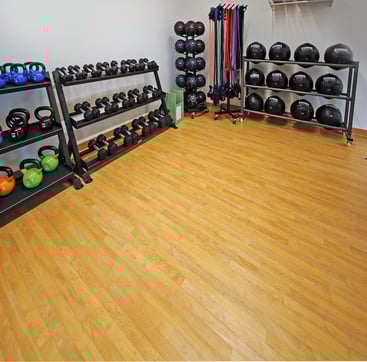
Budget constraints affect all schools and municipalities to a degree, but choosing standard commercial flooring for athletic environments often leads to higher costs over time. Sports flooring is built to withstand the intensity of frequent and active use.
“An athletic flooring product that is installed properly and maintained well will provide safety and comfort to the end user far longer than a product that is not tested and recommended for athletic conditions,” Loveall says. “People are running, jumping, sliding and throwing items on the floor. If it isn’t tested to support those activities, the floor will fail quickly.”
This is where proper flooring installation becomes just as important as product selection. Bohn notes that durability depends on pairing the right system with the right environment. “Our sports flooring systems are engineered to resist wear, indentation, and surface damage while maintaining consistent performance characteristics over time,” she explains. “Even the best products only perform at their highest level when installed correctly.”
Circadia’s expertise in flooring installation ensures that education flooring systems deliver on their promise throughout their lifecycle.
One of the most powerful examples of sports flooring’s value comes from a project with Kansas City Missouri Public Schools. After a decades-old gym floor buckled and became unusable, Circadia proposed a solution that addressed both safety and structural challenges.
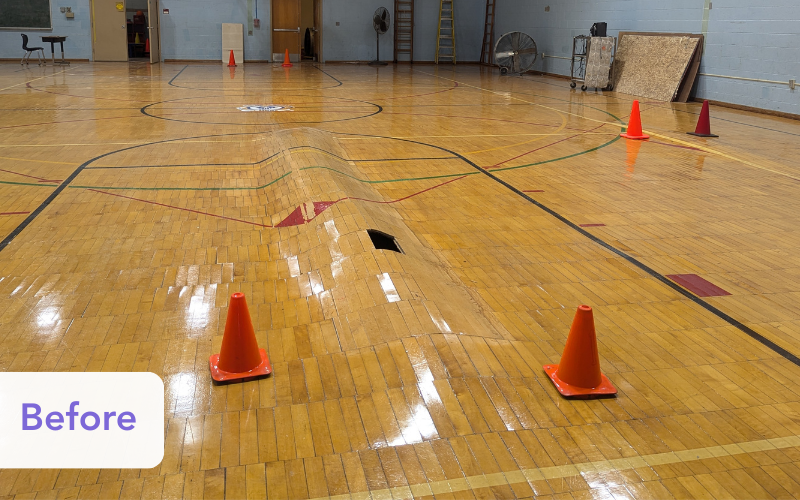
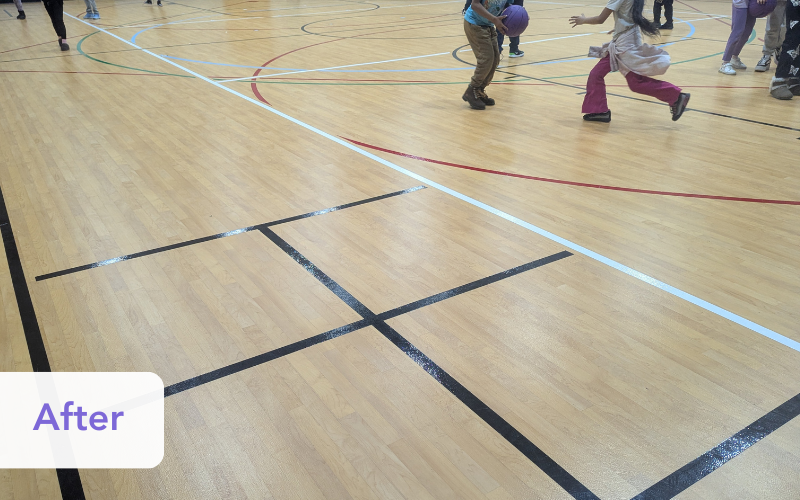
“We proposed a combination system offered by Tarkett Sports called Lumaflex,” Loveall shares. “This solution not only gave us a fantastic athletic surface for the kids, but it assisted with the unevenness of the substrate so that we did not have to call in a concrete company to pour in a new flat slab.”
The result was transformative. Students regained access to indoor physical education, and teachers noticed a significant difference in comfort. “The PE teacher was also impressed with the way their body felt after walking the floor all day,” Loveall says. “They said this floor was vastly better than some of their other locations.”
As education and recreational spaces continue to evolve, sports flooring plays an increasingly important role in supporting safety, flexibility, and long-term performance. By approaching education flooring with clear intent and expertise, Circadia helps leaders in education move beyond assumptions and toward solutions that truly serve their audience.
With expert flooring installation, high-performance products and a consultative process grounded in real-world use, sports flooring becomes more than a surface: it becomes a foundation for movement, learning and connection.
Contact Circadia to explore how sports flooring can enhance safety and practical use of your next project.
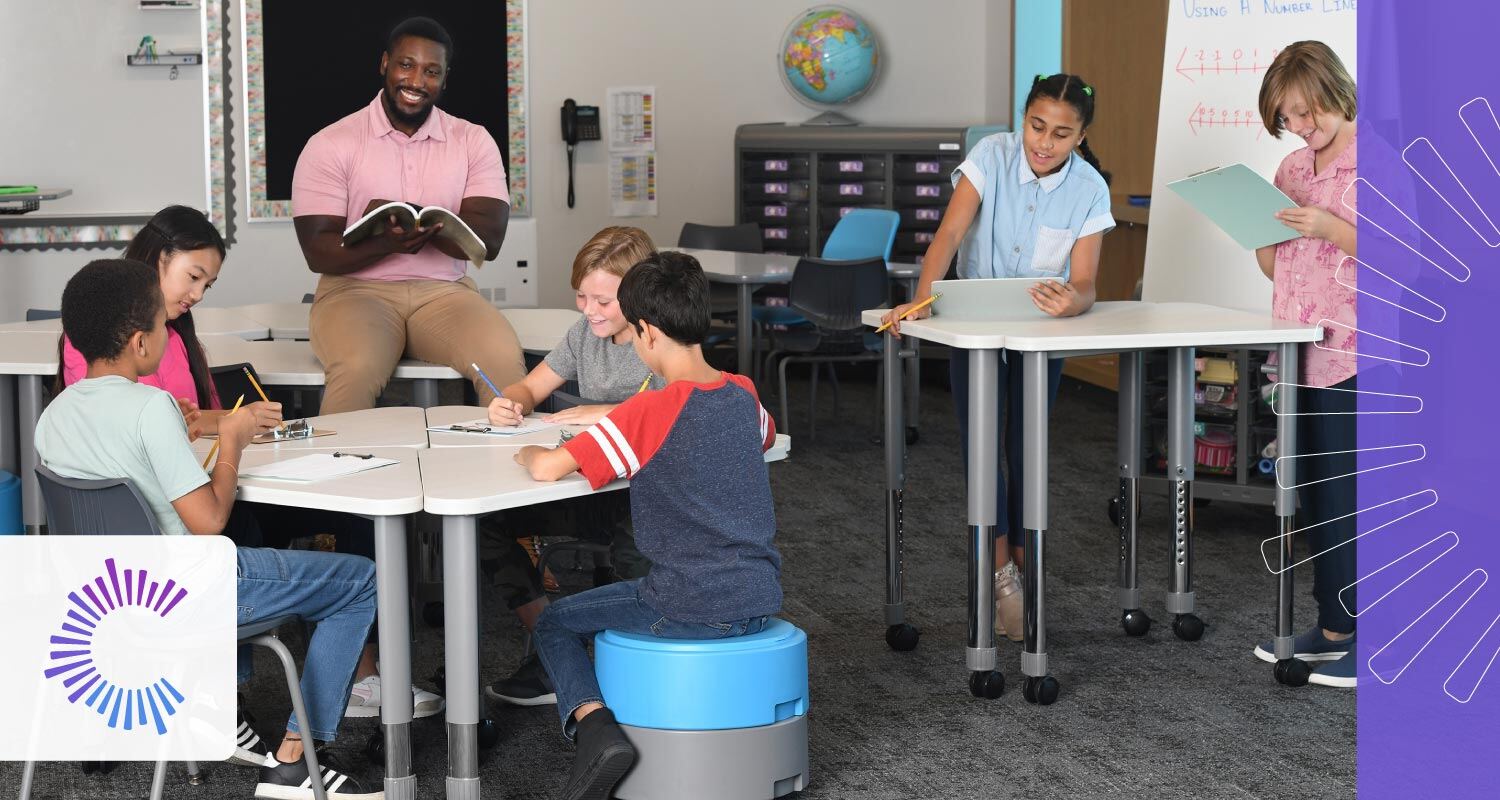
Discover how modern classroom design transforms education spaces into environments for learning success.
 Circadia : August 20, 2025
Flooring is often one of the last decisions made in a construction or renovation project. Yet it’s one of the most impactful.
 Circadia : August 20, 2025
Learn how education furniture solutions and thoughtful design can help students unplug, refocus and thrive in the modern classroom.