



Case Study: Triad Partners' HQ Redesign
Triad Partners is a bold, growing financial services firm known for doing things differently. The company scaled and their office was no longer...
3 min read
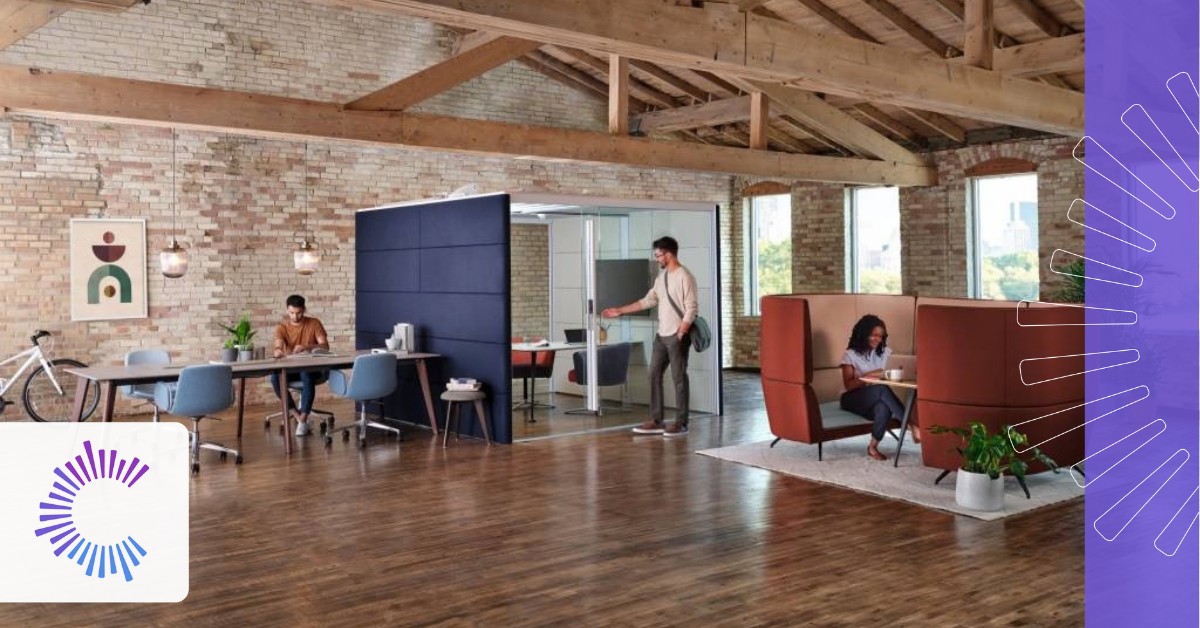
Modern workplaces have embraced open plan layouts for their flexibility and collaborative potential. A corporate world without walls means more face-to-face time with coworkers and more spontaneous creative sessions.
But for HR professionals, openness alone cannot support every need. Sensitive conversations and moments requiring discretion still happen, and they require environments designed with intention. As HR leaders continue shaping workplace experience, the challenge becomes clear: how do you maintain an open, connected office while ensuring confidentiality, psychological safety and compliance?
The answer lies in thoughtful corporate office interior design that balances transparency with privacy, supported by adaptable office furniture solutions that make private spaces easy to access and intuitive to use.
Open offices were never meant to replace private spaces. HR professionals know firsthand that confidentiality is not optional. It’s a foundational part of supporting employee trust, organizational integrity, and legal compliance.
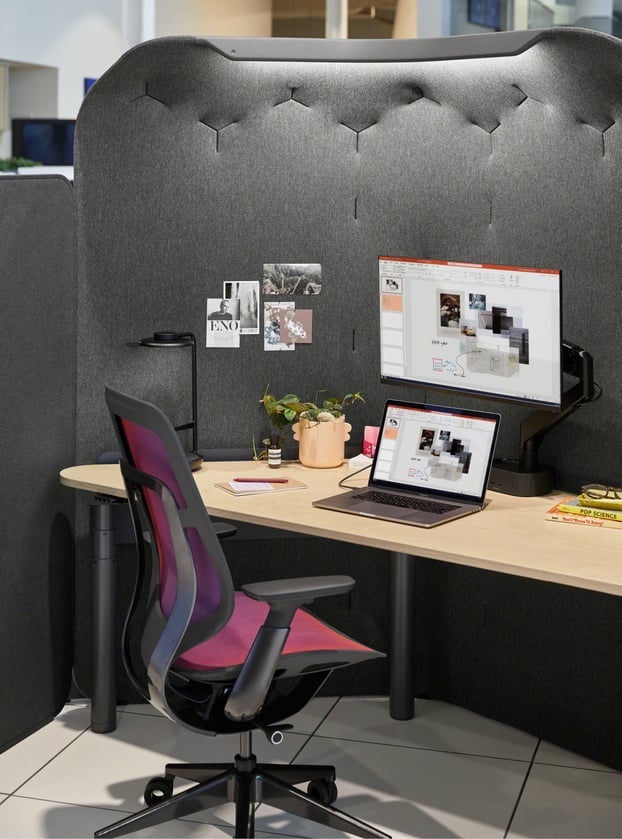
Employees need places where they can:
When these needs aren’t met, employees feel exposed and unsupported. HR teams feel the strain too. Instead of having a readily available space, they’re navigating conversations in hallways or improvising privacy in spaces that were never designed for it.
Thoughtful corporate office interior design addresses this issue head-on, and HR leaders are often the ones who can advocate for it.
 The HR Case for Private Spaces
Private spaces aren’t an amenity, work perk, or professional luxury. They are a necessity. They’re strategic tools that support compliance and employee wellbeing. HR professionals can champion these spaces by framing them as essential components of a healthy workplace ecosystem.
Performance reviews, conflict resolution, benefits discussions, and personal matters require environments where employees feel safe. A well‑designed private room signals professionalism and care.
Circadia’s approach ensures these rooms are acoustically secure, visually discreet and located where employees can access them without drawing attention.
Managers need reliable spaces for coaching, candid feedback and development conversations. When private rooms are unavailable or poorly designed, these moments lose their impact. Or worse, they leak to the general employee population.
Flexible private meeting rooms — supported by modular corporate office furniture — help teams maintain consistency and confidentiality.
Lactation rooms, quiet rooms, and wellness spaces are powerful signals of organizational care.
Circadia designs these rooms to be comfortable, secure and supportive of employee dignity. They’re intentionally placed, intentionally furnished, and intentionally protected from interruption.
Hybrid work has increased the need for private spaces. Employees often join virtual meetings that require discretion, or they need quiet areas for focused work.
Open plans alone cannot support this. Private rooms ensure employees can navigate hybrid schedules without stress or exposure.
HR leaders often worry that adding private spaces will make the office feel closed off or segmented. But modern corporate office interior design solves this through balance, not trade‑offs.
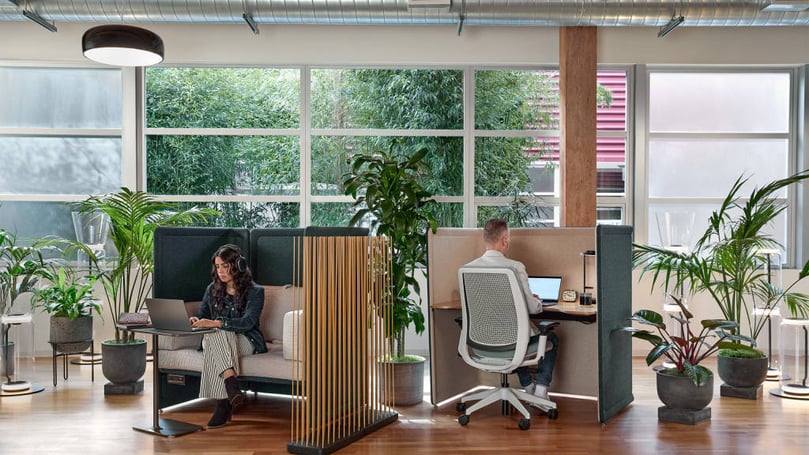
Circadia uses design strategies that preserve openness while strengthening confidentiality:
These solutions allow HR teams to maintain an open, collaborative environment while ensuring employees have access to the privacy they need.
HR leaders understand employee needs, organizational culture, and the realities of day‑to‑day operations, meaning they’re uniquely positioned to influence workplace layout and design. When HR professionals advocate for private spaces, they’re advocating for:
Circadia partners with HR teams to translate these needs into actionable design strategies, including early planning, furniture selection and guiding your long‑term workplace evolution.
Circadia specializes in designing workplaces that support wellbeing and organizational performance. Our human‑centered approach ensures that private spaces are not an afterthought or shoehorned in; they’re integrated, intentional and aligned with how people actually work.
We help HR leaders:
Circadia makes it clear how your office should work, and how thoughtful design can support every employee.
If you’re exploring how to enhance privacy and employee wellbeing in your office, Circadia is ready to help you design a space that supports your people and your mission. Our team closely partners with HR leaders to evaluate existing layouts, identify areas of opportunity and recommend design solutions that balance openness with the protected environments your workforce needs.
Contact us today to get started.
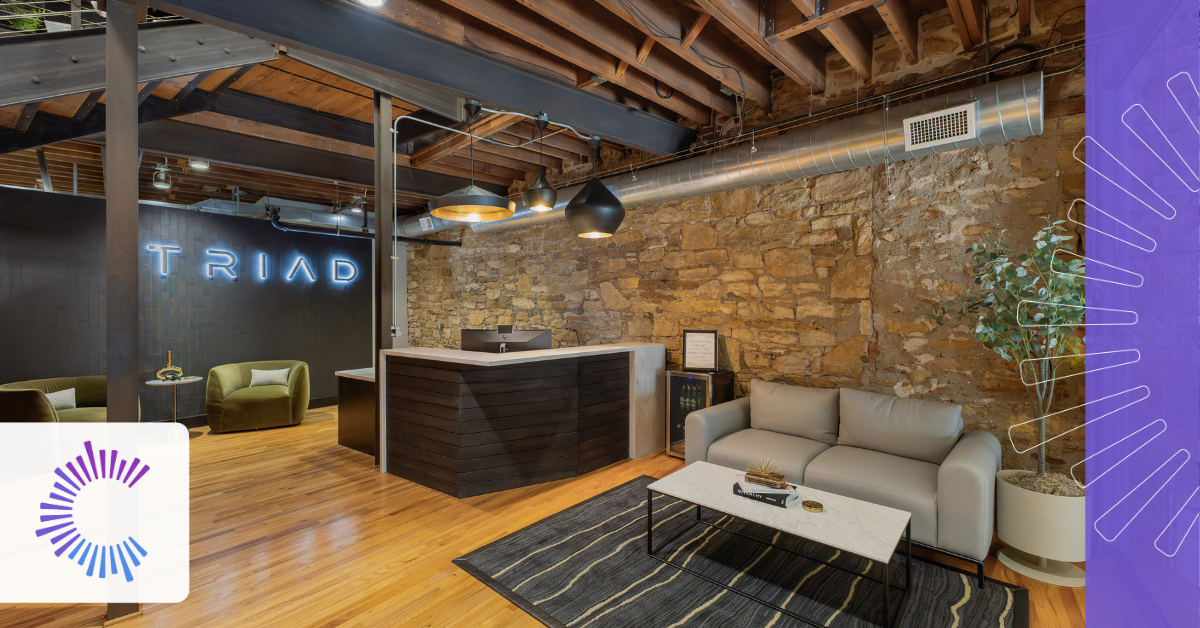
Triad Partners is a bold, growing financial services firm known for doing things differently. The company scaled and their office was no longer...
 Circadia : April 01, 2026
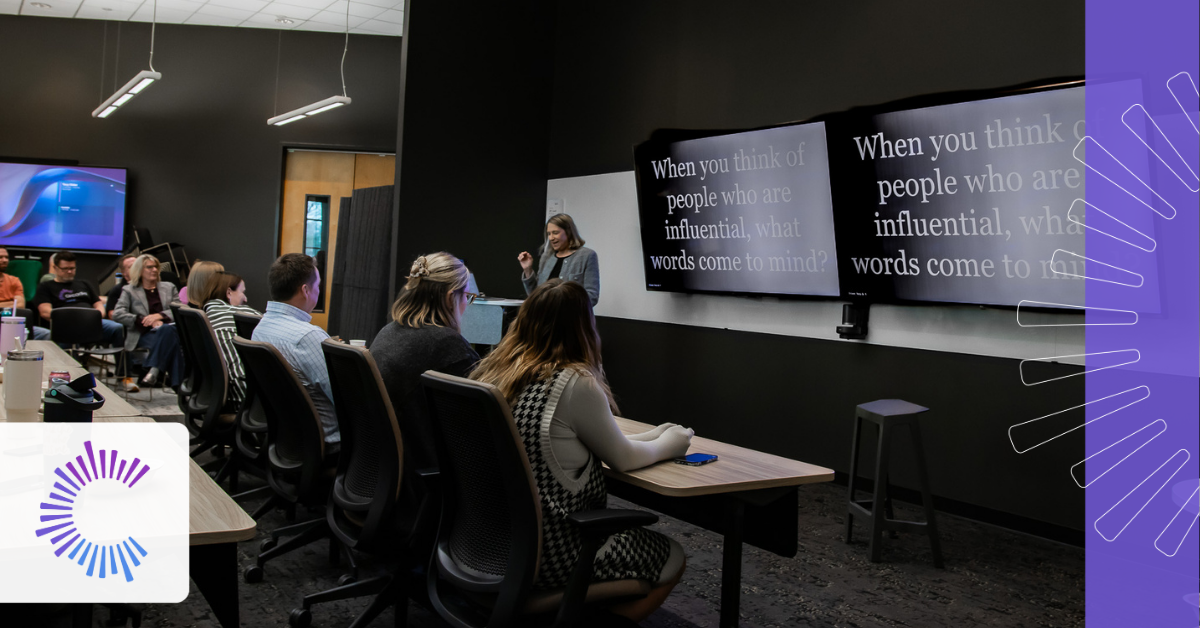
Key insights from Steelcase and Circadia’s Work Better event with Dr. Tracy Brower on why culture-first workplaces attract talent.
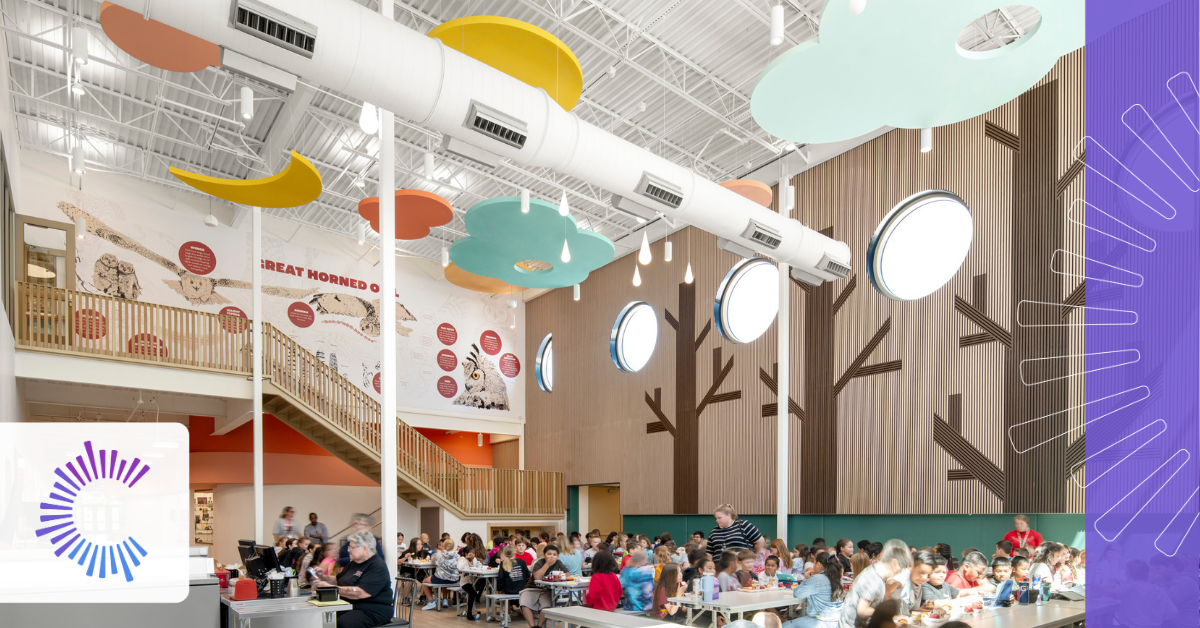
Discover how Circadia helped transform a 50-year-old school into a modern, inclusive learning environment designed for student success & community...