4 min read

Culture-First Offices Attract and Keep Top Talent

Culture-First Offices Attract and Keep Top Talent

If you’re hoping to hire and keep great people, your company’s culture is so much more than a nice-to-have. Employees do their best work and stay longer when leaders make culture explicit, and workplaces reinforce that culture.

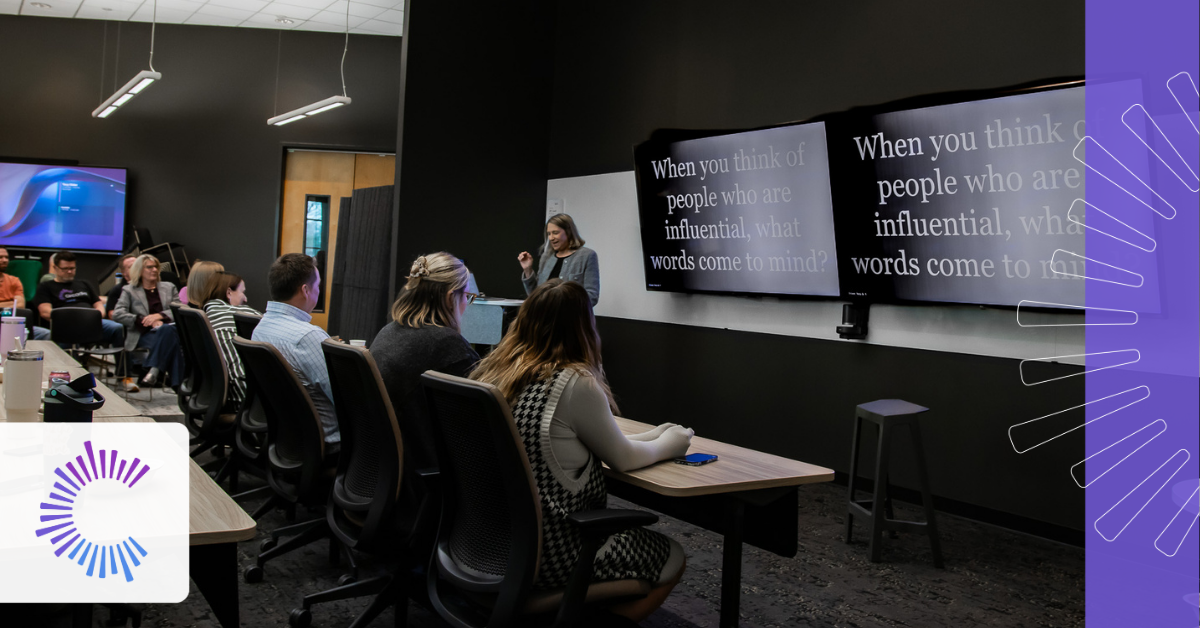
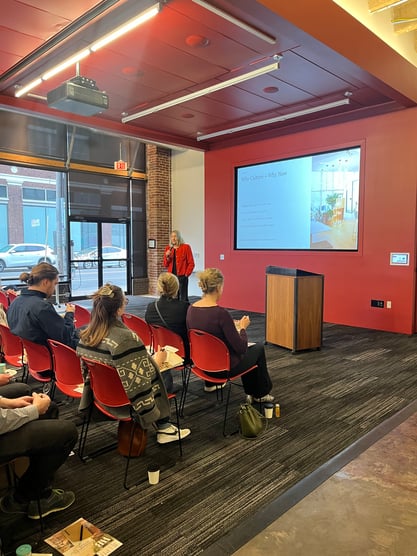
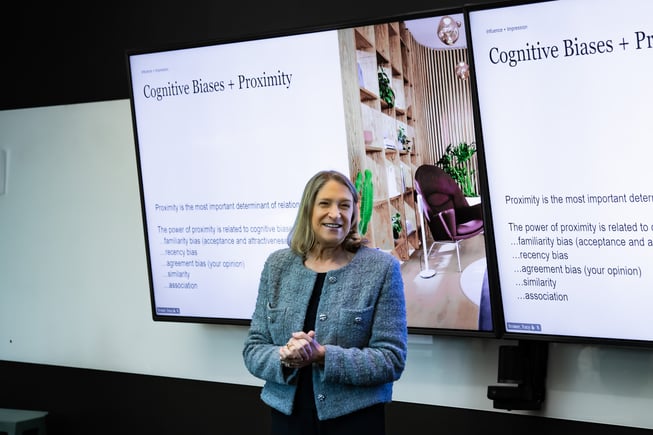
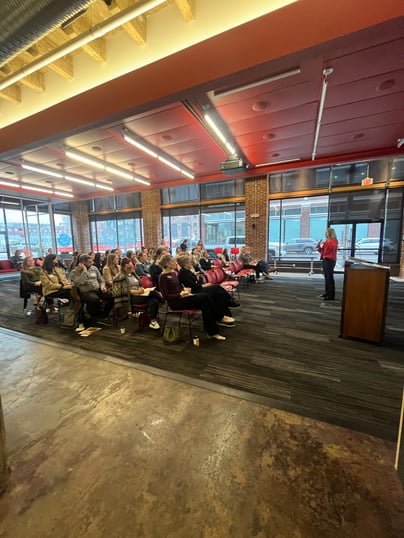
That was the central theme of our latest Work Better event. Dr. Tracy Brower, PhD, Vice President of Workplace Insights at Steelcase, shared insights during a lecture on March 5th at the Center for Architecture & Design. Here are some key takeaways from a thought-provoking start to the day.

Culture Always Wins the Talent Game

Leaders establish and sustain culture through their presence and behavior, and that culture exists long after their tenure. As Dr. Brower noted, that’s essential for leadership to internalize. The primary reason talent joins a company is the culture—i.e., “I feel good here, I can hang my hat here, I can imagine building my career here.” The #1 reason talent stays is the people, the connections they make, the friendships they have with coworkers and the teams they support. The #1 reason talent leaves? Leadership. They might feel they no longer align with leaders, they don’t feel seen by their leaders, or, leadership isn’t taking care of them in terms of promotions, development opportunities or compensation.

All these stages of employment are directly tied to culture, and they matter immensely for an organization in a hiring environment that is as challenging as the present one. Finding the right talent and getting them to buy into your company and its culture are essential—especially because top talent outperforms average talent by approximately 400%.

The thing that many businesses struggle to realize: Culture is a system. It’s built on intentional behaviors, shared expectations and how coworkers show up every single day. Leaders exert outsized influence on culture because they set that standard for the business with what they consistently communicate and model.

IMG_8679 3

Leaders reinforce culture by:

  • Being visible
  • Being approachable
  • Modeling desired behaviors
  • Following through
  • Showing consistency even when stressed
  • Direction & Meaning: What are we here to do? Why does the work matter?
  • Vision, Mission & Direction: These explicit anchors make abstract ideas actionable and help talent see how they are contributing to something larger than themselves.
  • Consistency & Stability: Predictable days, reliable processes and clear norms
  • Adaptability & Growth: Stretch opportunities, active learning, rewarding curiosity and the ability to change alongside the organization and industry

At Circadia, we see that culture is not only expressed through leadership behaviors, it’s reinforced through the environment employees experience every day. Thoughtfully designed workplaces create opportunities for connection, visibility and collaboration. Open, yet intentional, layouts allow leaders to be present and approachable, while shared spaces encourage teams to interact naturally. Our goal is to help organizations translate their culture into physical space—designing workplaces that encourage the kinds of behaviors companies want to see more of, whether that’s collaboration, mentorship or focus-driven productivity.

IMG_0086

Safety Is Essential to Culture

A key insight from the talk is that psychological safety comes from culture. This is a priority for younger talent.

Psychological safety is the feeling that “I can bring my full self to a space, and I can feel comfortable with uncertainty.” Like culture itself, psychological safety is more than vibes and more than feel-good phrases. Organizations that provide psychological safety see improved outcomes for employees and organizational goals through increased curiosity, creativity, resilience and a willingness to ask questions and take risks. All of these strengthen culture while improving problem-solving and increasing collaboration.

This sense of belonging is also tied up in what Dr. Brower identified as distributive justice (equitable outcomes) and contributive justice (the feeling that everyone gets to add value to an organization).

The physical environment plays an important role in supporting psychological safety. Spaces that offer employees choice—places to collaborate, quiet rooms for focused work and comfortable areas for informal conversation—help people work in ways that feel natural and productive. Inclusive meeting spaces, thoughtfully designed conference rooms and flexible collaboration zones ensure everyone has an equal voice in discussions. If your workspace can support these needs, it's easier for teams to communicate openly, focus when needed and recharge throughout the workday.

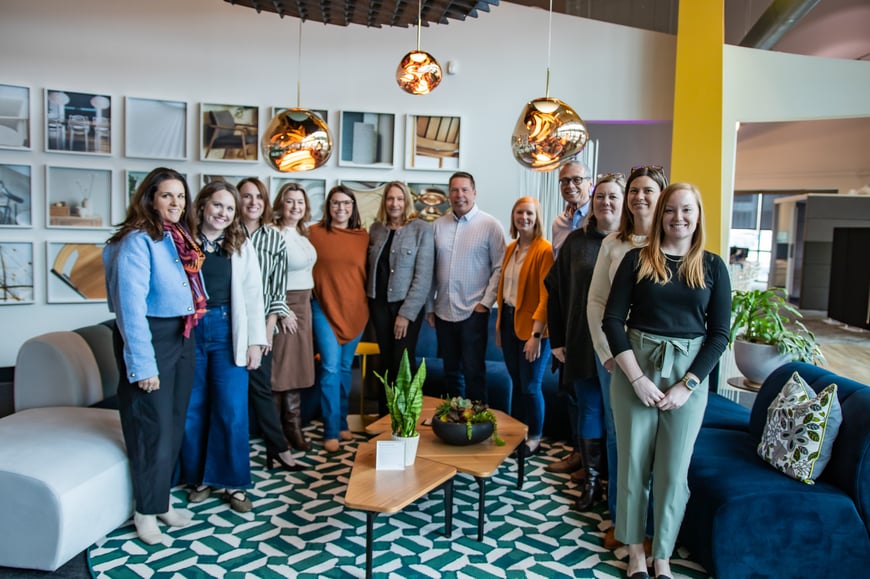
IMG_8680 3

Make Your Culture Explicit

The way a business talks about culture and the way it expresses culture are not inherently the same thing, but they need to be in alignment or talent will feel dissatisfied.

Workers need to have culture articulated clearly and repeatedly:

  • Direction & Meaning: What are we here to do? Why does the work matter?
  • Vision, Mission & Direction: These explicit anchors make abstract ideas actionable and help talent see how they are contributing to something larger than themselves.

To shape a resilient, healthy culture, organizations need to balance:

  • Consistency & Stability: Predictable days, reliable processes, and clear norms
  • Adaptability & Growth: Stretch opportunities, active learning, rewarding curiosity, and the ability to change alongside the organization and industry

Design can reinforce these cultural signals in powerful ways. The layout of a workspace, the visibility of leadership areas and the types of spaces available to employees all communicate what an organization values. For example, providing dedicated focus rooms shows that deep work matters, while collaborative hubs and welcoming meeting areas signal that teamwork and knowledge sharing are part of everyday operations. Ergonomic furniture, color choices and how workstations are arranged in the office contribute to how employees feel in a space—supporting clarity, focus and well-being throughout the day.

Physical Spaces Reflect Culture

Some classic sociologists talk about culture as an iceberg. Below the surface are our assumptions, which you know are there even if you don’t necessarily see them. Above the water are the things we see every day—notably, how people behave and how they talk to each other. Place, however, is incredibly important—or, as Dr. Brower put it, “Place is the most visible artifact in culture, and so is how we design.” Commercial interior design and knowing how to arrange office furniture send a message about what we can expect from a culture.

Dr. Brower shared a story about an organization she had visited. When she arrived, she noticed the parking lot was old and full of potholes, and, when she went inside, the building was gray and dark. The workers were lovely despite the place where they worked, but there was a clear misalignment between the expectation that was set by what was said by leadership and what was experienced by talent.

It’s a reminder that employees experience culture long before anyone talks about it in a meeting or presentation. The condition of a building, the light in a room, the way meeting spaces are arranged and whether people have places to focus or recharge all shape how work feels day to day. When those details align with what leadership says they value, the workplace becomes a powerful reinforcement of culture rather than a contradiction.

IMG_0100-2

Culture Is Your Talent Strategy

The biggest message from this Work Better session was simple:

Strong culture attracts people.
Healthy culture keeps them.
Intentional culture grows them.

Leaders play a direct role in shaping that culture every day.

Dr. Brower’s latest book, Critical Connections: Build Relationships and Harness the Power of Community in Work and Life, is out now. If you’re interested in workplace topics, join us for the third installment of our Work Better series in July. And, if you’re ready to build a culture that improves performance and retention, Circadia is here to help. Contact us today to learn more about how we can transform your office space into a powerful expression of your organization’s purpose.

Insights from the Healthcare Design Conference: Q&A with Circadia

Insights from the Healthcare Design Conference: Q&A with Circadia

Each year, the Healthcare Design Conference brings together leaders, innovators and practitioners shaping the future of healthcare environments. The...

Read More
The Shift Is On: Biophilia, Flexibility and Neuro-Inclusive Workspaces

The Shift Is On: Biophilia, Flexibility and Neuro-Inclusive Workspaces

  This year’s NeoCon Conference was a full-sensory experience; and, for the team at Circadia, it delivered inspiration on every floor. From biophilic...

Read More
Rethinking the Conference Room in a Hybrid World

Rethinking the Conference Room in a Hybrid World

Modern workplaces are under constant evolution, and the changes are taking place faster than ever before. With hybrid work now the standard for many...

Read More