 Circadia
Humanizing Behavioral Health Through Design: Circadia Symposium Recap
Symposium recap on humanizing behavioral health through design: Insights on creating therapeutic spaces and prioritizing mental wellness.
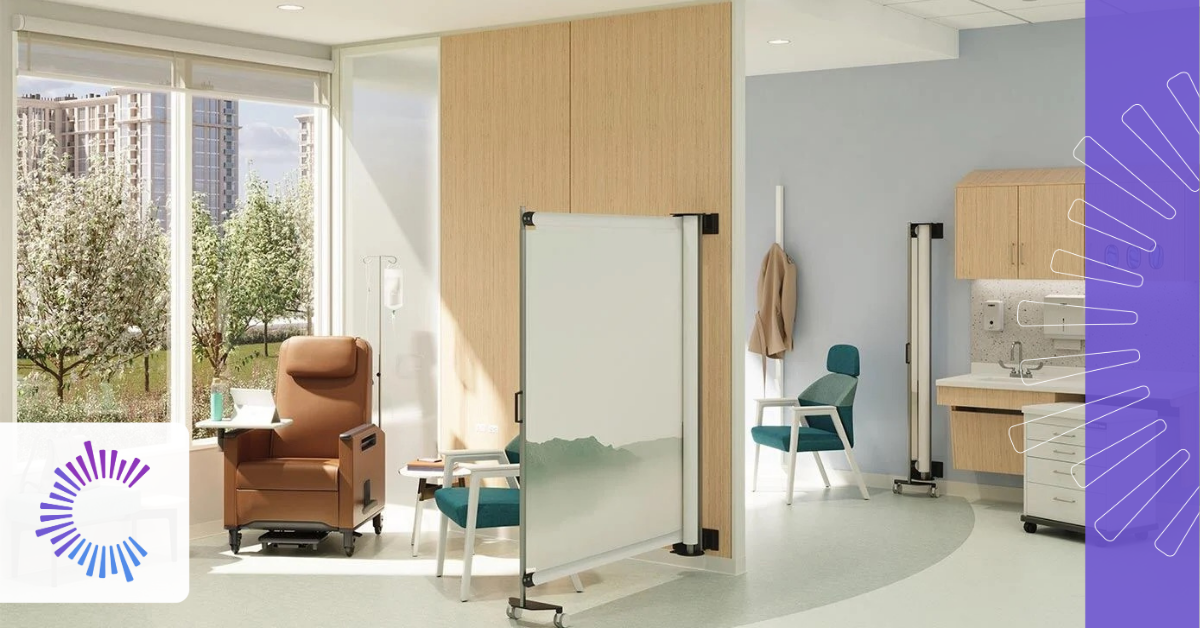
Healthcare environments carry a unique responsibility. First, spaces must support doctors, nurses and clinicians so they can perform at their best. Spaces must also facilitate patient comfort, which means making the environment look and feel less clinical than it is.
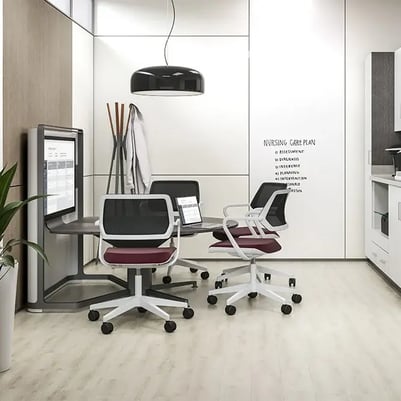 The design of these spaces influences how people feel just as much as how they move and interact with care teams. When the right choices are made, healthcare environments become calmer, safer and more efficient. When they are not, it hinders the patient experience and practical use of the space.
Thoughtful design begins with understanding how people use a space and how furniture, layout and materials shape those interactions. This is especially true when selecting healthcare office furniture, which significantly influences both provider workflow and how patients feel. The right solutions help teams stay organized, reduce stress and maintain proper clinical standards. The wrong ones create friction that slows care delivery and affects wellbeing.
Healthcare leaders and architects are increasingly looking for partners who understand the nuances of these environments. They want evidence‑based guidance, practical solutions and a design approach that reflects the realities of modern care. That is where a deeper understanding of healthcare furniture strategy becomes essential, and that is where Circadia comes in.
“The one thing that healthcare always needs to be is flexible, whether that is space being able to shift from one use to another or the product itself being able to move and adapt. Healthcare is ever changing and evolving, whether it be from simple technology changes or as severe as a worldwide health crisis so it is our job to take all of that into account when we design spaces.”
Erin Cammel, KC Director of Healthcare
Many healthcare decision makers operate from a high‑level perspective. They focus on macro-level elements like staffing, budgets, patient volume and long‑term planning. Because of that, it can be easy to overlook micro-level details that shape daily experiences and face-to-face interactions. Yet those details often determine whether a space feels supportive or stressful.
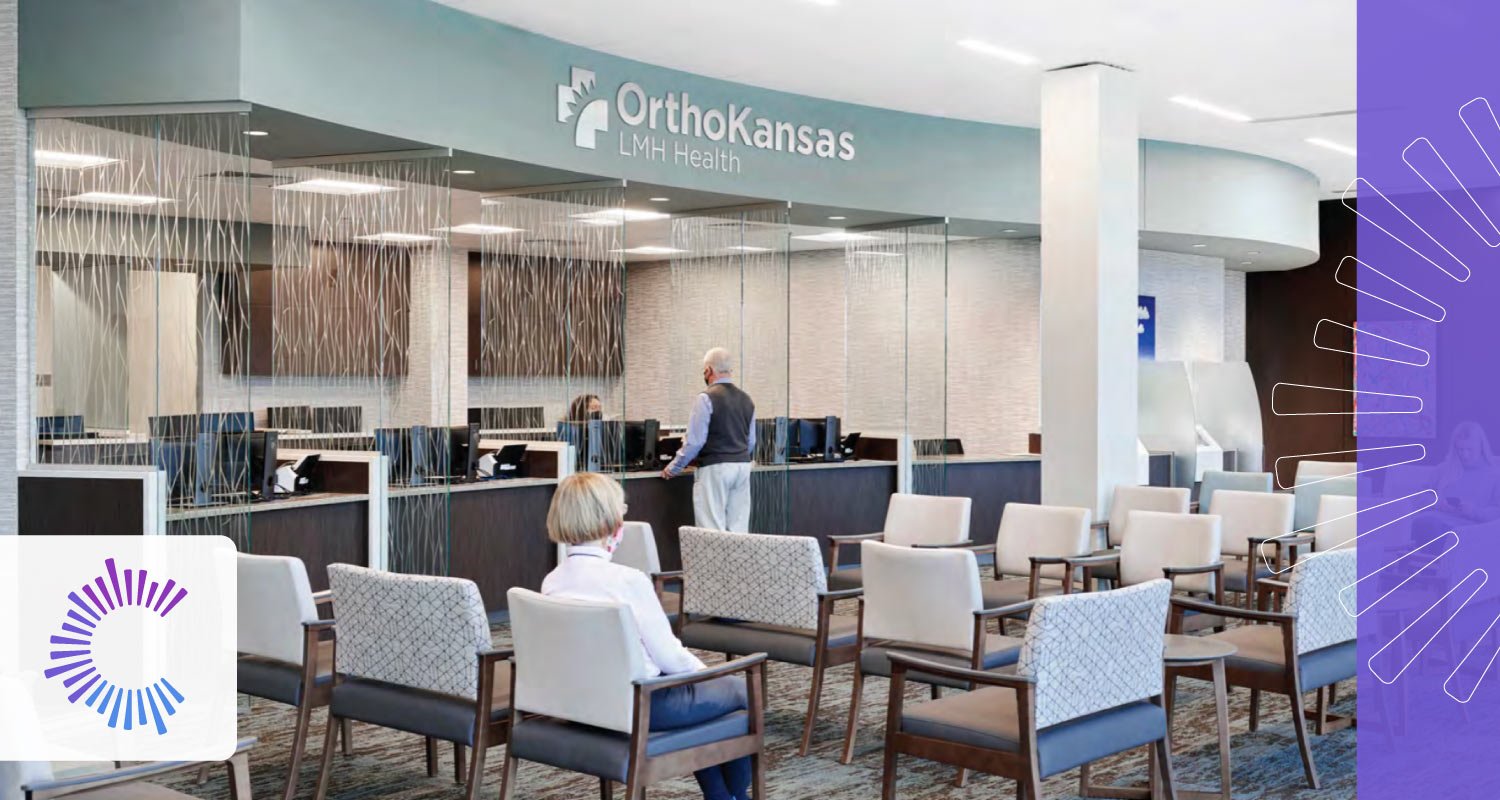
Providers notice every moment of friction. A chair that is difficult to clean, a workstation that doesn’t support proper posture, or a waiting room layout that creates crowding can all influence how people feel throughout the day. Patients notice these details too, as they play a direct role in their comfort and how at ease they feel.
This is why healthcare furniture solutions matter. They are not simply functional elements. They are tools that influence behavior, safety, and emotional wellbeing. When chosen intentionally, they help create environments that feel organized and reassuring. When chosen without strategy, they can unintentionally disrupt care delivery.
Healthcare leaders may not always be up to speed on the frontline care experience because they are focused on broader outcomes. But the people using these spaces every day feel the impact in the moment. Thoughtful design bridges that gap. Circadia’s case studies demonstrate how evidence‑based furniture selection closes that gap in real projects.
“We work daily with our healthcare clients to select items that work best for their facilities. Patient and clinician feedback is constantly being taken into consideration, and we are regularly refining the best products and solutions to offer.”
Erin Cammel, KC Director of Healthcare
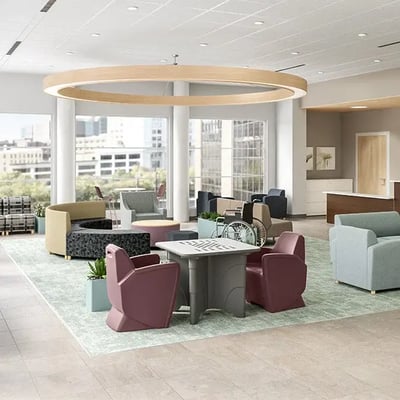 When furniture is not selected with healthcare needs in mind, the consequences show up quickly. These issues may seem small at first, but they can accumulate throughout the day and affect both patient experience and provider performance.
Here are common challenges that arise when office furniture solutions for healthcare are not part of a strategic design plan:
When these issues show up, they’re often symptoms of furniture that wasn’t designed for the realities of care. Circadia’s team has a wealth of experience selecting and procuring the proper materials, finishes, and styles to ensure that healthcare spaces are designed not just for the eye or the budget, but from a strategic approach that prevents these problems before they start.
“There are many criteria we use to determine what solutions work best in each environment to provide the best accessibility and ergonomics. Something as simple as a chair seat height can make a big difference in the comfort of patients and their ability to move throughout a facility without the help of a provider.”
Erin Cammel, KC Director of Healthcare
Through evidence‑based product selection, durable materials and layouts built around clinical workflow, Circadia helps healthcare teams create spaces that support patients and the daily demands of care.
Intentional furniture selection transforms healthcare environments. It supports clinical protocols, improves comfort, and helps providers deliver care more efficiently. When healthcare office furniture is chosen with evidence-based design principles, it becomes a foundation for better experiences.
Circadia’s strategic furniture choices improve healthcare spaces by:
These benefits show why healthcare furniture solutions are a critical part of modern healthcare design. They influence every moment of the care experience, from the waiting room to the exam room and how providers deliver clinical care.
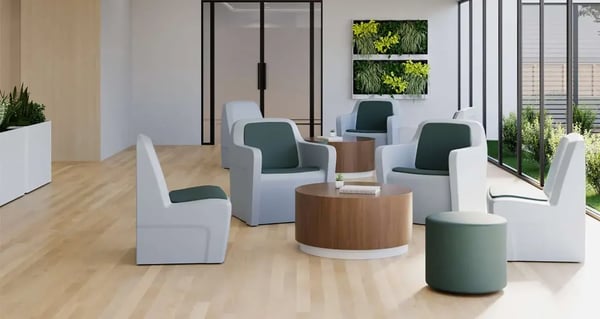 Healthcare environments are complex, but the end goal is simple: create spaces that support wellbeing, safety and efficient care. Strategic furniture selection is one of the most effective ways to achieve that. When leaders invest in office furniture solutions for healthcare, they are choosing tools that strengthen patient experience and help providers do their best work.
Circadia brings a research‑driven, human‑centered approach to healthcare design. As demonstrated in our case studies, our expertise in healthcare office furniture ensures that every choice supports patient comfort while being mindful of clinical protocols and the realities of fast‑paced care environments.
Through thoughtful product selection that leverages evidence‑based insights, Circadia helps healthcare organizations create spaces where patients feel at ease and providers feel supported. If you are exploring how to elevate your next healthcare project, we’re ready to help you design a space that works for the people who rely on it every day. Contact Circadia to get started.
-4.jpg)
Symposium recap on humanizing behavioral health through design: Insights on creating therapeutic spaces and prioritizing mental wellness.
 Circadia : May 28, 2025
Selecting the right materials and furniture is crucial for healthcare spaces. Our comprehensive guide covers solutions for creating healing...
-3.jpg)
Healthcare providers tackle the ever-shifting challenges of a rapidly changing landscape, the spotlight shines brighter on thoughtful & innovative...