 Circadia
.png?width=1200&length=1200&name=CIR%20blog%20images%20(1).png)
.png?width=1200&length=1200&name=CIR%20blog%20images%20(2).png)
.png?width=1200&length=1200&name=CIR%20blog%20images%20(3).png)
.png?width=1200&length=1200&name=CIR%20blog%20images%20(4).png)
Humanizing Behavioral Healthcare Through Collaboration
In a world that’s starting to pay more attention to mental health, 20% of U.S. adults grapple with these challenges each year – a number on the rise...
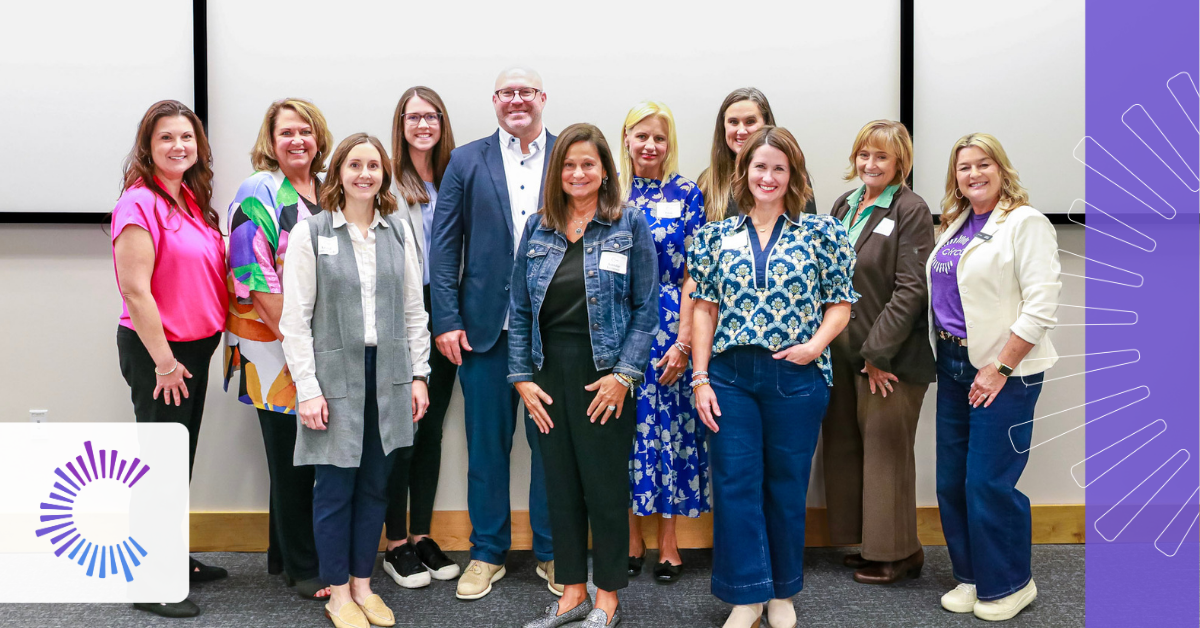
Caring for our children in the best environments possible should always be our top priority—especially in behavioral health spaces. That’s exactly what Circadia set out to explore at the 2025 Behavioral Health Symposium.
Hosted in the newly opened Behavioral Health Allies space, the second annual symposium brought together a dynamic mix of educators, psychologists, architects, interior designers and healthcare leaders. This wasn’t just another conference; it was a collaborative think tank, a place where bright minds came together to reimagine what healing environments for children can and should be.
Attendees from across the Kansas City metro filled the room, united by a shared goal: creating safe, supportive trauma informed spaces for children with learning differences, behavioral challenges and complex emotional needs. The day was rich with connection and inspiration, featuring keynote sessions, interactive panels, a product showroom and a guided tour of Behavioral Health Allies’ new facility, a space that embodies the very principles the event championed.
Designing spaces for children isn’t just about choosing colors and healthcare furniture solutions—it’s about embedding empathetic design into every detail to support regulation, connection and safety.
Circadia gathered a lineup of passionate speakers to dive into that idea from every angle.
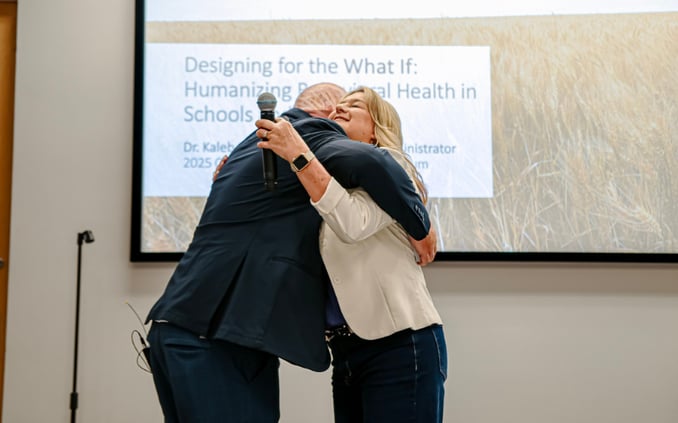
Every detail in a room can influence how a child feels and functions.
Light, sound, scent and layout can all act as behavioral regulators if designed intentionally. Soft lighting and minimal clutter reduce overstimulation. Clear sightlines help children feel safe and oriented while giving caretakers the ability to maintain a more controlled, secure environment. Calm, consistent spaces for belongings provide comfort and predictability.
Empowerment happens when children are given choice and agency. From choosing where to sit to selecting which sensory tools help them focus, those small decisions build confidence and emotional regulation.
Representation matters, too. Art, books and language that reflect diverse identities send a powerful message: You belong here.
Empathy in design shows up in the little things like soft textures, natural light, flexible seating and warm colors.
It means thinking about how every space can support calm, not control; and connection, not correction.
As Jennifer Savner Levinson, MS.Ed., put it, “We want to create spaces where we practice empathy safely.”
A highlight of the day was a panel discussion featuring four incredible women from across the KC metro, each offering a unique perspective, from education and therapy to interior design and administration.
.png?width=574&height=359&name=CIR%20blog%20images%20(5).png)
Together, they shared stories, challenges and solutions—all circling back to one central message: the best environments for children are built through collaboration.
Throughout the event, the vibrant sounds of students engaging in a newly designed classroom environment floated above the crowd, serving as a reminder of why everyone was there.
Empathetic design doesn’t just make spaces look better; it helps them feel better for those who inhabit them. These environments reduce stress, improve focus and build a deep sense of belonging. For children, healing starts with relationships, but it’s the environment that nurtures and sustains that growth.
At the heart of Circadia’s mission is a commitment to designing spaces that are safe, inclusive, and emotionally intelligent—environments where every child feels seen, supported and free to explore. As Savner Levinson put it, “When designed with empathy, spaces don’t just teach or treat—they transform.” That message resonated deeply at the 2025 Behavioral Health Symposium, which served not just as a day of learning, but as a call to action. It reminded us that behavioral health design is never just about what we build; it’s about who we build it for.
In a world that’s starting to pay more attention to mental health, 20% of U.S. adults grapple with these challenges each year – a number on the rise...
Historic School Becomes a Future-Ready Campus for 3rd 4th and 5th Grade Success After more than 50 years without a new school building, the...
Designing a Seamless Ski-In, Ski-Out Experience When you’re a stone’s throw from a ski lift in Colorado’s Vail Valley, expectations are high. So...